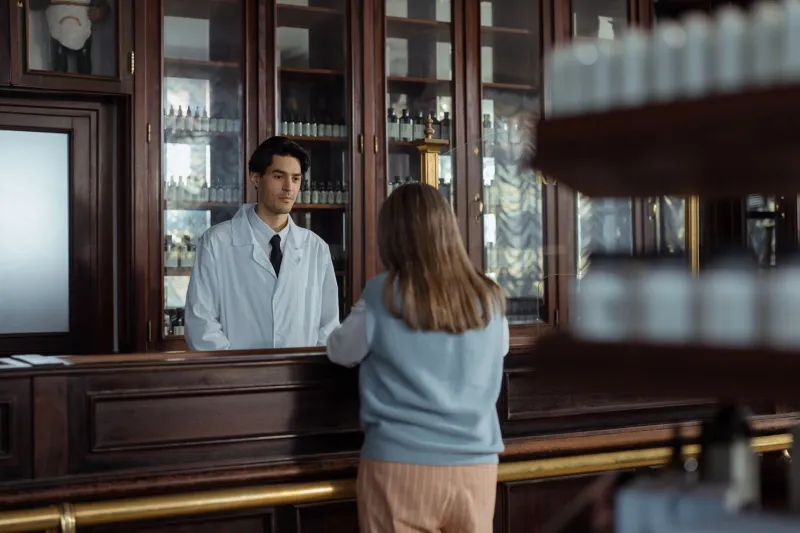
The Lobby Knows Your Name: How Public Housing's Forgotten Spaces Became the Heart of the Block
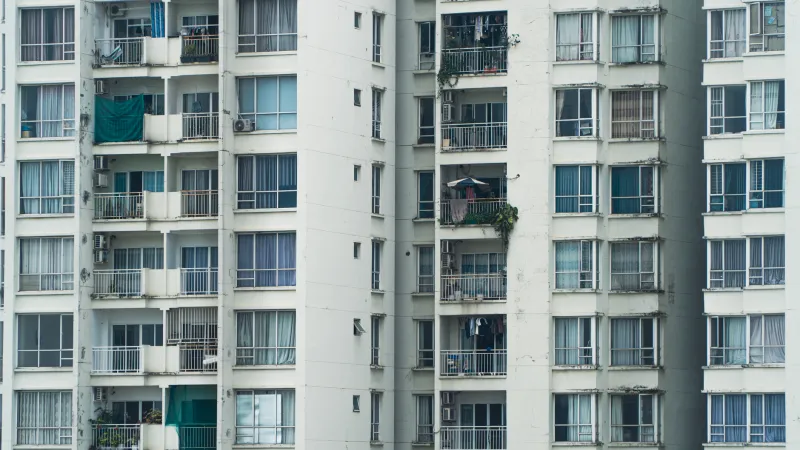
The elevator is broken again. It's been broken since Tuesday, which means Mrs. Caldwell on the ninth floor has been walking down eighteen flights of stairs — nine up, nine down — every time she needs to check the mail or take her grandson to the park. She's seventy-one. She doesn't complain about it in the way you might expect. Instead, she's set up a kind of informal relay system with two neighbors on the fourth floor who collect her packages and leave a handwritten note under her door.
This is not a story about a broken elevator. It's a story about what happens around it.
The Space Nobody Designed For People
Public housing lobbies were not built to be gathering places. The architects who drew up the plans — and the city planners who approved them — imagined these spaces as pure transit zones. You walk in. You wait. You go up. The benches, when there are any, feel like an afterthought. The lighting tends toward the institutional: fluorescent, shadowless, unforgiving. The bulletin boards are layered with notices about noise ordinances and lease violations and pest control schedules.
And yet. People gather here anyway.
In complexes from the South Side of Chicago to Brownsville in Brooklyn to the Nickerson Gardens in Watts, the lobby has become something the designers never accounted for: a neighborhood commons. Not because it's comfortable or beautiful or particularly welcoming, but because people — given any kind of shared space — will find a way to make it theirs.
You see it in the small things first. A folding chair that appears near the mailboxes every afternoon around three o'clock, because that's when the school buses come and the grandmothers want to watch the kids walk in. A handmade sign taped to the wall offering free tutoring on Thursdays. A corkboard that, beneath the official notices, has sprouted a second layer of community life: babysitting offers, a note about a lost cat, a phone number for someone who knows how to fix washing machines cheap.
What Gets Passed Between Floors
Mutual aid is one of those phrases that got fashionable during the pandemic, but in public housing communities, it never needed a name. It was just Tuesday.
In a complex in Baltimore's Cherry Hill neighborhood, a woman named Denise — she's lived in the same unit for twenty-three years — runs what she calls an informal "lending table" in the lobby near the laundry room. A folding table, really, where residents leave things they no longer need and take things they do. Baby formula. Canned goods. A winter coat, barely used. Somebody's kid's Halloween costume, offered up the week after Halloween for next year.
"People think we don't have community here," Denise told me, straightening a stack of folded towels on the table. "They drive past and they see the building and they think they know the story. But they haven't been in this lobby at six in the morning when somebody's kid needs breakfast and their mama's already gone to work."
This is what the lobby knows that the street doesn't: the exact texture of how people take care of each other when the systems around them fall short. Which is often. And quietly. And without any fanfare.
The Stoop as Stage
Step outside the lobby and you hit the stoop, which operates by its own set of unwritten rules. Every complex has its rhythms — the hours when certain people claim certain spots, the understood protocols around noise and space and who gets to play music when.
The stoop is where information travels. Which units have bedbugs. Which landlord-side maintenance requests actually got answered. Who's hiring. Who just got out. Who needs a ride to dialysis on Wednesdays. There is a sophistication to stoop communication that doesn't get enough credit — a kind of hyperlocal news network that operates entirely on trust and repetition.
In a housing project in Atlanta's Vine City neighborhood, I watched an older man named Curtis hold what amounted to a daily briefing from his regular spot near the entrance. He knew everyone. He knew their business without being nosy about it. When a young mother came out looking stressed, he already knew her car had been towed and had a number ready. "I keep numbers," he said simply, tapping his phone. "That's my thing. I keep numbers."
Curtis didn't have an official role. He wasn't employed by the housing authority. He was just a man who had decided that knowing things and sharing them was how he contributed. That's a community institution. It just doesn't come with a plaque.
The Courtyard in Between
Where they exist, the courtyards of public housing complexes are where the community's most ambitious rituals take shape. Cookouts that start as informal gatherings and evolve into annual events with assigned jobs and signature dishes. Back-to-school drives organized entirely by residents with no outside funding. Birthday celebrations for kids whose families couldn't afford a venue anywhere else.
These aren't charity events. They're not organized by nonprofits or documented for grant reports. They happen because people who share a place eventually share a life, and at some point the sharing wants to be celebrated.
In a complex in Cleveland, a group of women started doing Sunday morning hair on the courtyard picnic tables about six years ago. What began as one neighbor braiding another's daughter's hair turned into a weekly gathering that now draws a dozen families. Kids get their hair done. Adults talk. Somebody always brings food. It costs nothing and means everything.
"The courtyard is ours," one of the women told me, gesturing at the concrete and the chain-link and the view of the parking structure beyond. "I know it doesn't look like much. But we made it ours."
What These Places Are Actually Saying
There's a habit, in how America talks about public housing, of describing it only in terms of what it lacks. Adequate funding. Responsive management. Safety. Investment. All of that is true and worth saying loudly. The failures of policy around public housing are real and documented and ongoing.
But if you spend time in the lobbies and on the stoops and in the courtyards, you start to notice something that the deficit framing misses entirely: the extraordinary amount of social infrastructure that residents have built themselves, in the margins of spaces that were never designed to support it.
The bulletin board with two layers. The lending table. The man with the numbers. The Sunday morning hair. The relay system for the woman on the ninth floor.
These are not workarounds. They are not coping mechanisms in the clinical sense. They are community, doing what community has always done — filling in the gaps, holding people up, making a place feel like home even when the place itself doesn't make it easy.
The lobby knows things about resilience that the rest of us could stand to learn. You just have to stop walking through it and start sitting still long enough to listen.